
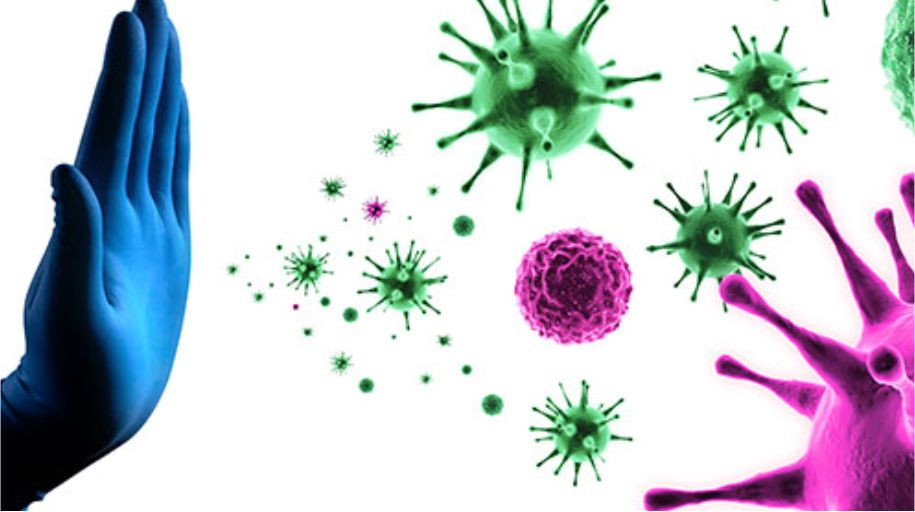
Nisa Medical Group Mandatory Training Program. This course provides healthcare workers with essential knowledge and practical skills required for effective Infection Prevention and Control (IPC) within healthcare facilities.

Nisa Medical Goup Mandatory Training Program prepared by J. A. Akoh.
This course provides a practical introduction to Information Governance (IG) in Healthcare within Nisa Medical Group. It explains how patient and organisational information must be handled legally, securely, and ethically in line with Nigerian laws and professional standards.

This course is part of the Nisa Medical Group Mandatory Training Program and is designed to help staff understand how to protect personal and organizational information from physical security risks and cyber threats.

Health, Safety, and Welfare (HSE & W) are essential components of healthcare delivery. This course provides an understanding of workplace hazards, risk management, patient safety principles, staff responsibilities, and welfare provisions necessary to maintain a safe and compliant healthcare environment.
The course aligns with recognized health and safety standards and emphasizes the shared responsibility of all staff in preventing harm and promoting well-being.

This course is part of the Nisa Medical Group Mandatory Training Program and is designed to equip staff with essential knowledge and practical skills to prevent, respond to, and manage fire emergencies in the workplace.
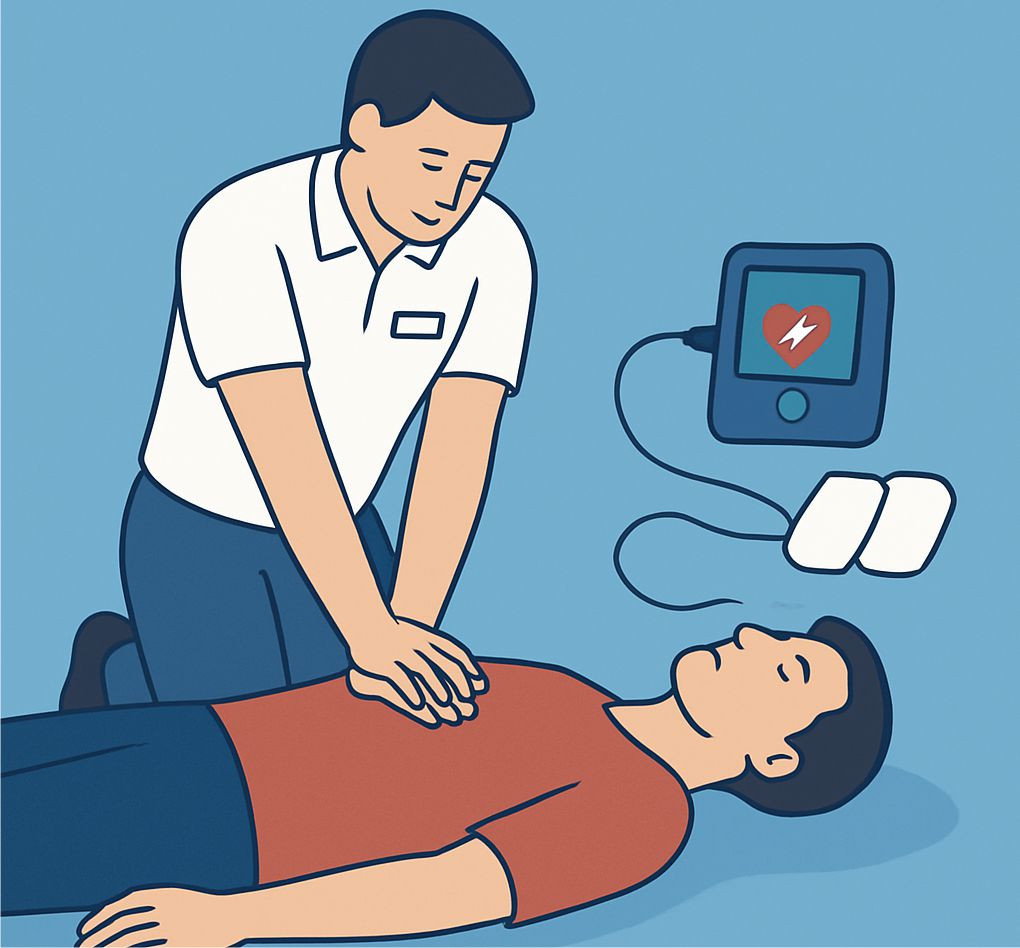
This course is part of the Nisa Medical Group Mandatory Training Program. It is designed to equip all staff with the essential skills needed to respond effectively to life-threatening emergencies, especially sudden cardiac or respiratory arrest.
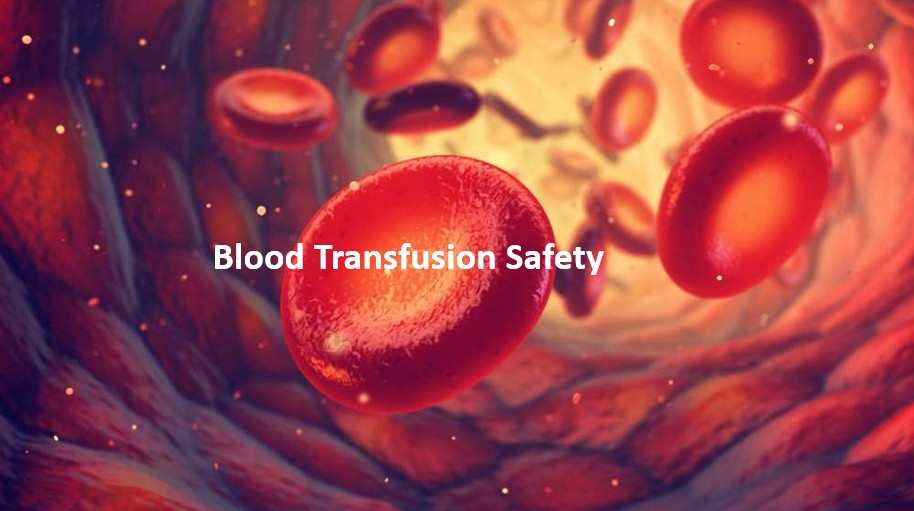
This course provides comprehensive training on the safe practices of blood transfusion, from donor selection to administration. Participants will gain a solid understanding of blood donor management, including the criteria for donor eligibility and the process of blood collection. The course further covers the proper handling, transportation, and storage of blood to maintain quality and safety. Learners will also explore key procedures for testing donated blood and ensuring its compatibility before use. Finally, the course addresses the safe administration of blood to patients, emphasizing protocols that reduce risk and improve outcomes.
By the end of this course, participants will be equipped with the knowledge and practical guidelines required to promote safety, efficiency, and best practices in blood transfusion services.